Area of Focus
Art History
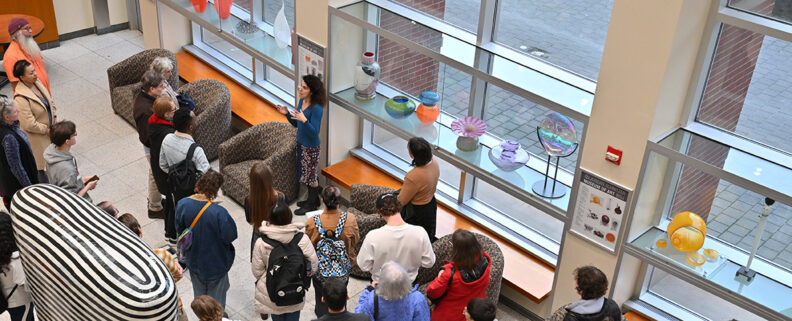
Art history is an integral part of the experiential learning experience at WSU.
Offering a broad exposure to the history of the visual arts, you’ll begin with two foundational survey courses, the History of World Art (ART 201 and ART 202), and then take upper-division courses to consider art from specific cultures and historical time periods.
You’ll gain familiarity with contextual issues concerning the production and consumption of art and develop the research and writing skills necessary to think critically about art and visual culture. Developing knowledge of one foreign language will help expand your understanding of global art.
Additionally, you will be introduced to basic aspects of studio production to enhance your visual skills and knowledge of material practices and complete a capstone thesis paper.
Hallie Meredith
Assistant Professor: Art History
hallie.meredith@wsu.edu
509-335-7043
Ceramics
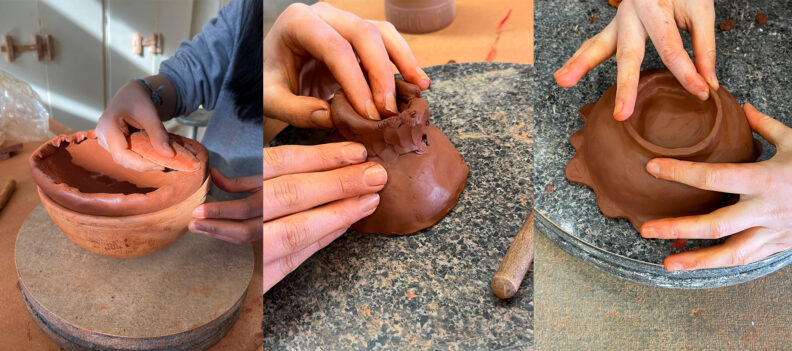
Courses in ceramics center primarily on sculptural form, with some attention given to the techniques related to functional pottery. This area of focus is available for both BA and the BFA students.
You will learn the basics of clay construction, glazing, and firing, but the ultimate aim is to use ceramics media in an expressive way to communicate ideas. Part of the “fire arts” at WSU Pullman, you’ll have access to extensive, well-equipped facilities.
Io Palmer
Professor, Ceramics Coordinator, Foundation Coordinator(3D)
iopalmer@wsu.edu
Fine Arts 7021
Digital Media
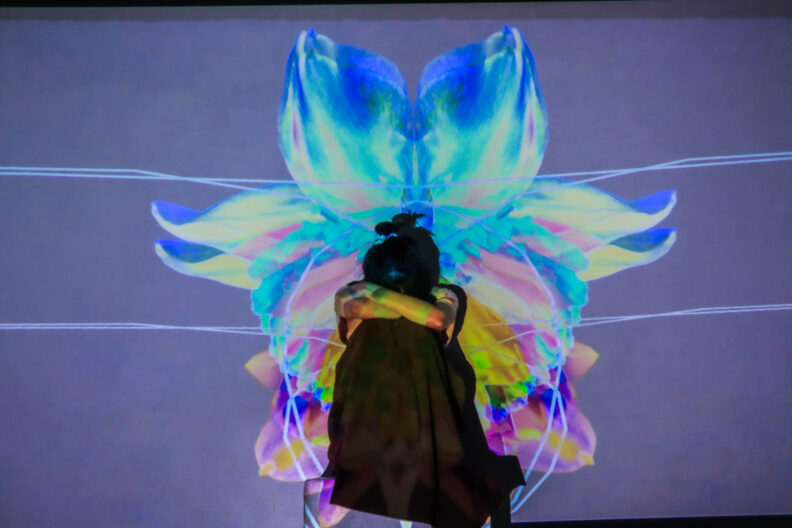
With a foundation in creative and innovative art and design practices, this specialization(Digital Media) explores digital processes as a vehicle for expression, critical thinking, and experimentation. Students engage with diverse mediums, including 2D/3D animation, interactive media, virtual and augmented reality, digital fabrication, and more, while bridging traditional and digital techniques such as drawing, painting, and sculpture. The classes foster interdisciplinary collaboration, research, and artistic development, encouraging exploration of representation, emerging technologies, and the impact of digital media on social spaces and creative production.
Reza Safavi
Professor, Digital Media Coordinator
rsafavi@wsu.edu
Fine Arts 7017
Graphic Arts and Integrated Design
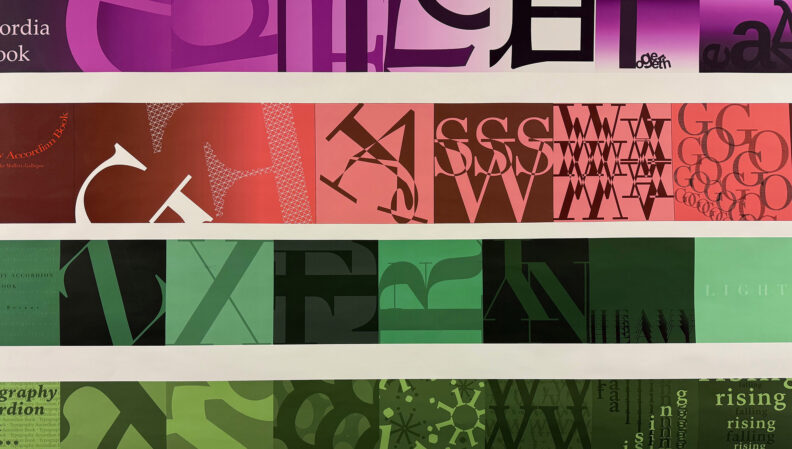
Pathways in Graphic Arts and Integrated Design requires the student to follow a pathway within the degree targeting the foundations of graphic arts and design with directed experiences in printmaking, photography, digital media, illustration, drawing, and fabrication to aid in problem-solving for engaging the community in visual communication. Emphasis is placed on visual literacy and collaboration.
David Janssen Jr.
Graphic Design Coordinator, Foundation Coordinator(2D)
david.janssen@wsu.edu
Drawing
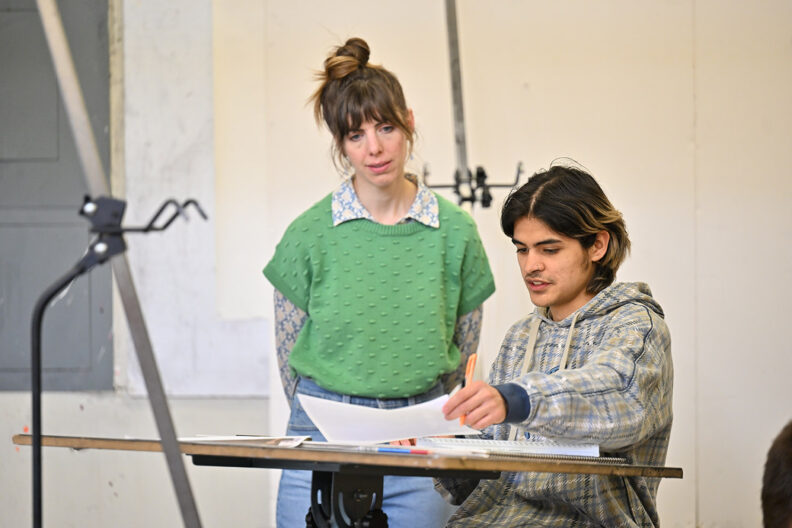
Grounded in an interdisciplinary approach to artistic creation, drawing as an area of focus is available to students in both the BA and the BFA degree programs.
You’ll begin with courses covering issues such as composition, observational studies, and the development of ideas. As you move through the curriculum, you’ll have access to large studios filled with natural light and be encouraged to find your own voice as you develop your individual approach to art-making.
Michael Holloman
Associate Professor: Drawing Coordinator and Art History
michael.holloman@wsu.edu
Sculpture
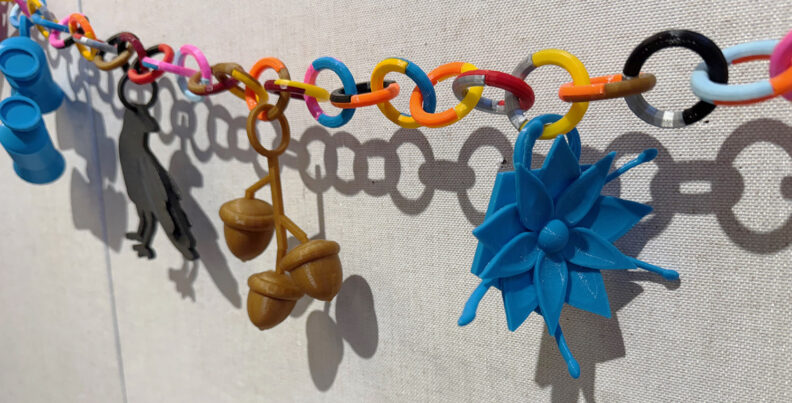
Sculpture studies at WSU Pullman foster a responsive environment where cultural, technical, and conceptual concerns are treated equally. This area of focus is available to students in both the BA and the BFA degree programs.
You’ll be encouraged to develop your own personal and aesthetic and to integrate your explorations of technique and media with a theoretical consideration of space both on and off the pedestal.
Across more than 9,000 square feet of shop space, you’ll have access to a well-equipped wood shop, metal shop, and our bot cave, as well as rooms for sewing, wax, slurry, and more.
Squeak Meisel
Sculpture Coordinator
squeak.meisel@wsu.edu
Fine Arts 5072D
Painting
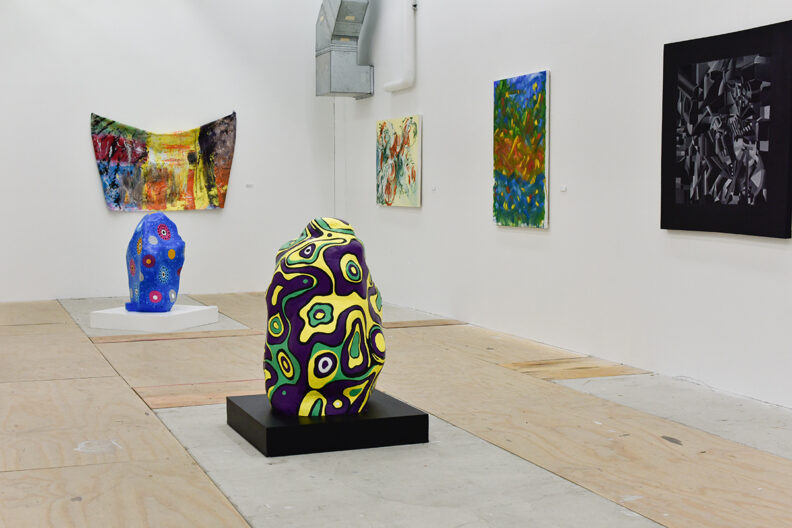
The painting embraces an interdisciplinary approach to artistic creation and is available as an area of focus for students in both the BA and the BFA degree programs.
You will be asked to examine the importance of your practice within the greater context of the fine arts and contemporary culture. Observational painting skills are developed early in the curriculum, alongside formal and technical considerations such as composition, color, and mark-making.
Beginning courses will also connect you personally with aspects of art history and contemporary art and help you begin seeing your own work in a larger social and historical context.
As you move through the program, you will be encouraged to develop an individual approach to art-making. Advanced painting courses are designed to help you build a cohesive body of work that offers a unique individual perspective informed by contemporary art and ideas.
Joe Hedges
Assistant Professor: Painting Coordinator and Intermedia
joe.hedges@wsu.edu
Fine Arts 7023
Photography
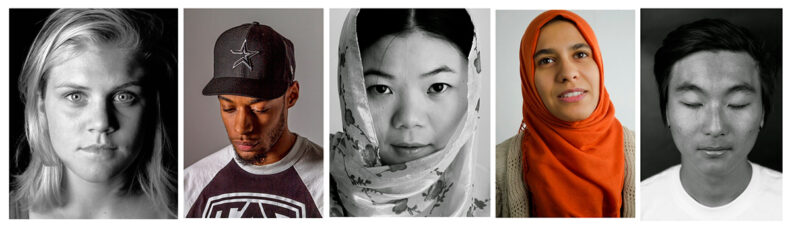
Focuses on the complexities of image production through studio art practices, the photography area of focus is available to students in both the BA and the BFA degree programs.
Through learning the multiple layers involved in the making and taking of images, you’ll be empowered to become an active and critically informed image-maker.
Lens-based imaging (photography) is the primary mode of visual communication in our highly globalized and networked world. Memorable photography strikes a balance between craft, form, content/concept, emotion, and expression.
Not only will you learn tools and conceptual skills you can apply broadly, your studies will focus on photography within the fine art context.
Dennis Dehart
Associate Professor: Photography
Photography Coordinator
dennis.dehart@wsu.edu
Fine Arts 7025
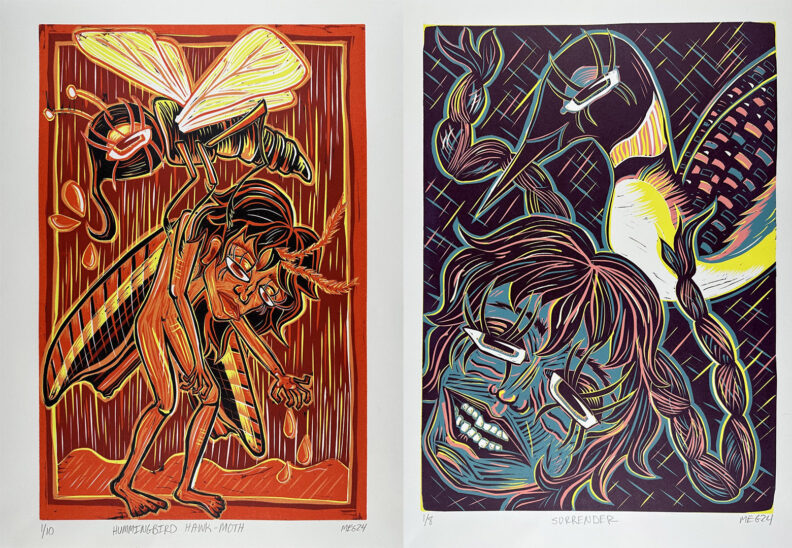
Integrating traditional practices with contemporary processes, the printmaking offers diverse avenues of exploration in print media. It is available as an area of focus for students in both the BA and the BFA degree programs.
You’ll be introduced to the basic processes, concepts, and histories of printmaking and the context in which it operates. As a medium that shares common ground with drawing, painting, photography and digital media, the printmaking area fosters diversity and experimentation.
With access to a wide range of in-house equipment, you will gain technical proficiency in a variety of processes, while developing your own personal ideas and esthetics in light of contemporary issues and practices.
Kevin Haas
Professor, Printmaking Coordinator
khaas@wsu.edu
Fine Arts 7063